
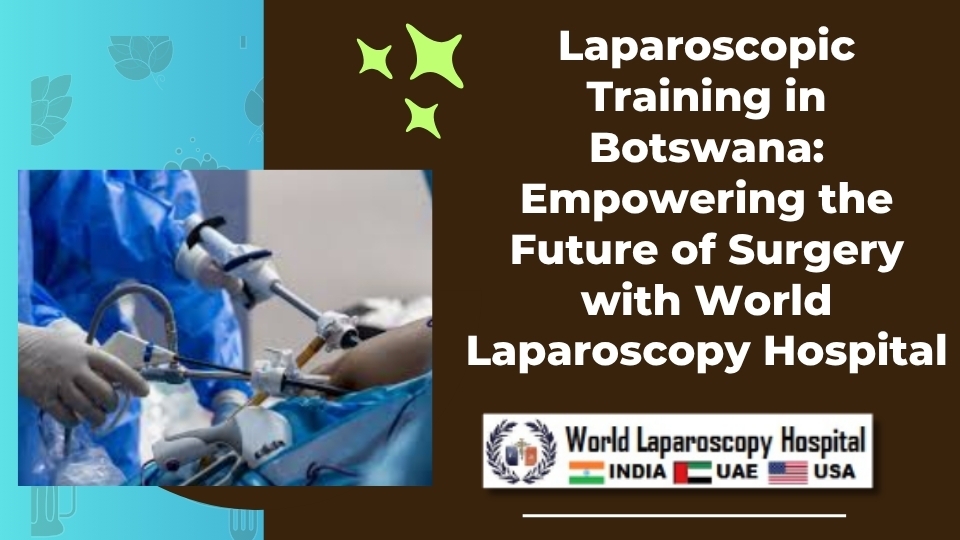
Laparoscopic Training in Botswana: Empowering the Future of Surgery with World Laparoscopy Hospital
Laparoscopic Training in Botswana: Empowering the Future of Surgery with World Laparoscopy Hospital
Modern medicine is evolving rapidly, and the field of minimally invasive surgery has revolutionized how healthcare is delivered. At the heart of this global transformation stands World Laparoscopy Hospital (WLH)—a premier institution dedicated to training surgeons and gynecologists from around the world in advanced laparoscopic and robotic techniques. Among our proud alumni are many talented surgeons seeking Laparoscopic Training from Botswana, a nation celebrated not only for its medical progress but also for its rich cultural heritage, ancient civilization, and inspiring journey toward modern prosperity.
https://www.laparoscopyhospital.com/SERV01.HTM
This article celebrates the collaboration between Botswana’s surgical community and World Laparoscopy Hospital, while also exploring the fascinating story of Botswana—a land where tradition, innovation, and progress coexist harmoniously.
A Legacy of Excellence: Botswana’s Commitment to Healthcare
Botswana, one of Africa’s most stable and rapidly developing nations, has made remarkable strides in healthcare over the past few decades. The country’s commitment to improving public health and access to modern medical facilities has positioned it as a model for sustainable development in sub-Saharan Africa.
From Gaborone to Francistown, hospitals across Botswana are increasingly adopting safer, more efficient surgical techniques. The rising demand for minimally invasive procedures has naturally led surgeons to pursue specialized education, making Laparoscopic Training from Botswana an essential step for advancing national surgical standards.
World Laparoscopy Hospital: A Global Hub for Laparoscopic Training
Located in Gurugram, India, with a branch in Dubai (UAE), World Laparoscopy Hospital (WLH) is a globally recognized center of excellence in laparoscopic and robotic surgery education. Founded under the visionary leadership of Dr. R. K. Mishra, WLH has trained surgeons and gynecologists from more than 138 countries, including a growing number pursuing Laparoscopic Training from Botswana.
WLH empowers medical professionals with hands-on expertise, evidence-based knowledge, and ethical surgical practices. Fellowship and Diploma programs in Minimal Access Surgery (FMAS and DMAS), accredited by the World Association of Laparoscopic Surgeons (WALS), ensure graduates achieve international standards of excellence.
Surgeons returning to Botswana after training at WLH become pioneers—introducing safer, faster, and more effective minimally invasive procedures that reduce pain, shorten hospital stays, and improve patient outcomes nationwide.
Why Surgeons Seek Laparoscopic Training from Botswana at WLH
Comprehensive Curriculum
WLH programs cover every aspect of laparoscopic and robotic surgery, from ergonomics and instrumentation to advanced suturing, dissection, and energy sources. Surgeons pursuing Laparoscopic Training from Botswana value the structured blend of theory, simulation, and live operative exposure.
Hands-On Experience
The “See One, Do One, Teach One” philosophy allows trainees to gain real operating room experience under expert supervision, working with high-definition laparoscopic simulators and participating in live surgeries.
Global Recognition
WLH certifications are internationally respected, enabling many surgeons from Botswana to lead MIS units in their hospitals or pursue advanced fellowships worldwide.
Affordable Excellence
Compared with similar programs in Europe or North America, WLH delivers world-class training at a fraction of the cost—making it an ideal destination for surgeons seeking Laparoscopic Training from Botswana without compromising quality.
Multicultural Learning Environment
With trainees from all continents, WLH provides a vibrant academic environment where surgeons exchange ideas and form lifelong professional networks.
Botswana: A Land of Great Civilization and Enduring Heritage
Botswana’s reputation for stability and democracy is matched by its ancient roots. The land has been inhabited for tens of thousands of years, making it one of the cradles of early human civilization.
The Ancient San People
The San people of Botswana represent one of humanity’s oldest living cultures. Their rock art at the Tsodilo Hills—often called the “Louvre of the Desert”—dates back over 20,000 years and reflects deep spiritual and cultural traditions. Recognized as a UNESCO World Heritage Site, Tsodilo Hills symbolizes Botswana’s enduring legacy of creativity and resilience.
The Rise of the Batswana Kingdoms
By the 14th century, Bantu-speaking tribes formed organized Batswana kingdoms. Leaders such as Kgosi Khama III promoted governance, education, and diplomacy, shaping a national identity rooted in wisdom and peaceful progress.
From Bechuanaland to Botswana
Botswana achieved independence peacefully in 1966 under Sir Seretse Khama, whose visionary leadership transformed a rural economy into a modern democratic nation committed to education, healthcare, and innovation—an ideal foundation for advanced surgical practice.
Laparoscopic Surgery: Transforming Healthcare in Botswana
Today, laparoscopic surgery is becoming standard practice across Botswana. Procedures such as laparoscopic cholecystectomy, gynecological operations, and urological surgeries are delivering better outcomes with reduced recovery times.
The success of these techniques depends on skilled surgeons, which is why Laparoscopic Training from Botswana at World Laparoscopy Hospital plays a crucial role in strengthening national healthcare capacity.
Building the Future of Surgery in Botswana
Surgeons who complete training at WLH return home with enhanced precision, confidence, and leadership skills. Many introduce new laparoscopic services, reduce surgical complications, and mentor colleagues—multiplying the impact of their education.
WLH proudly receives success stories from Botswana alumni who have pioneered laparoscopic procedures and improved access to minimally invasive surgery in regional hospitals.
Cultural Harmony Between Botswana and India
Botswana and India share values of peace, education, family, and community service. Surgeons pursuing Laparoscopic Training from Botswana find India welcoming, culturally enriching, and professionally rewarding. At WLH, every international trainee is supported in a diverse and inclusive environment.
A Vision for the Future
From ancient rock art to modern operating rooms, Botswana’s journey reflects resilience and innovation. Today’s surgeons are continuing this legacy by mastering minimally invasive techniques that redefine patient care.
World Laparoscopy Hospital is proud to support this transformation. Together, we envision a future where every patient in Botswana has access to world-class laparoscopic and robotic surgery.
Join the World Laparoscopy Hospital Family
If you are a surgeon or gynecologist seeking Laparoscopic Training from Botswana, World Laparoscopy Hospital welcomes you.
Whether through our Fellowship in Minimal Access Surgery (FMAS), Diploma in Laparoscopic Surgery (DMAS), or Robotic Surgery Training, you will gain hands-on expertise, global recognition, and lifelong professional support—empowering you to shape the future of healthcare in Botswana.
-
As a gynecologist from Botswana, the Diploma in Minimal Access Surgery at World Laparoscopy Hospital gave me invaluable skills in laparoscopic gynecology. The hands-on training on live cases, combined with simulation labs, was incredibly effective. I learned advanced techniques like TLH and ovarian cystectomy that I now use regularly. The hospitality for international trainees was excellent, including comfortable accommodation. This training has significantly reduced my conversion rates to open surgery back home. I am forever grateful!
Written by Dr. Carlos Medina on Jan 11th, 2026 7:33 am #2
-
I highly recommend World Laparoscopy Hospital to any African surgeon seeking top-tier laparoscopic training. As someone from Botswana, I found the program exceptionally accommodating for international participants. The emphasis on hands-on practice helped me overcome my initial hesitations with advanced procedures. Dr. R.K. Mishra’s mentorship was inspiring, and the facilities are world-class. This training has revolutionized how I approach surgery back home, leading to better outcomes and shorter hospital stays for my patients. Life-changing experience!








Written by Dr. Tashinga Maboreke on Jan 11th, 2026 7:32 am #1