What is the difference in laparoscopic and robotic surgery?
Add to
Share
495 views
Report
5 months ago
Description
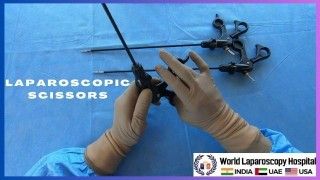
Minimally invasive surgery has transformed modern surgical practice by reducing pain, hospital stay, and recovery time. Two important techniques in this field are laparoscopic surgery and robotic surgery. Although both aim to achieve similar goals using small incisions and advanced technology, there are important differences between them in terms of technique, equipment, precision, and cost. Laparoscopic surgery is a well-established minimally invasive technique in which the surgeon operates directly using long, thin instruments inserted through small incisions. A camera (laparoscope) provides a two-dimensional view of the operative field on a monitor. The surgeon stands beside the patient and manually controls all instruments. Laparoscopy is widely used for procedures such as cholecystectomy, appendectomy, hernia repair, and gynecological surgeries. It is cost-effective, reliable, and available in most hospitals. Robotic surgery, on the other hand, is an advanced form of minimally invasive surgery where the surgeon controls robotic arms from a console. The robotic system translates the surgeon’s hand movements into highly precise motions of miniature instruments inside the patient. It offers a three-dimensional, high-definition view and enhanced dexterity with instruments that can rotate more freely than the human wrist. This makes robotic surgery particularly useful for complex procedures such as prostate surgery, colorectal surgery, and advanced gynecological operations. One key difference between the two techniques is precision and ergonomics. Robotic surgery allows greater precision, tremor filtration, and improved suturing capability, especially in confined anatomical spaces. It is also more comfortable for the surgeon, as they operate while seated at a console. In contrast, laparoscopic surgery demands greater physical effort and skill due to limited instrument movement and a two-dimensional view. However, cost and accessibility are major limiting factors for robotic surgery. Robotic systems are expensive to install and maintain, making them less accessible in many healthcare settings. Laparoscopic surgery remains more affordable and widely practiced, especially in developing countries. In conclusion, both laparoscopic and robotic surgeries are effective minimally invasive techniques. Laparoscopy is practical, economical, and widely available, while robotic surgery offers superior visualization and precision for complex cases. The choice between the two depends on the type of surgery, surgeon expertise, patient needs, and available resources.
Similar Videos