Laparoscopic Appendicectomy by Mishra's Knot
Add to
Share
1,046 views
Report
10 months ago
Description
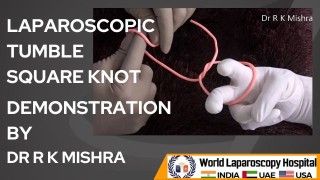
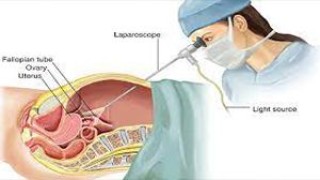
Laparoscopic appendicectomy has become the gold standard for managing acute appendicitis due to its minimal invasiveness, faster recovery, and reduced post-operative complications compared to open surgery. Among the various techniques for securing the appendiceal stump, Mishra's Knot has emerged as a safe, efficient, and cost-effective method in laparoscopic appendicectomy. Introduction: Acute appendicitis is one of the most common surgical emergencies worldwide. Laparoscopic appendicectomy offers the advantages of reduced post-operative pain, early mobilization, better cosmetic results, and shorter hospital stay. Securing the appendiceal stump is a crucial step, as inadequate closure can lead to post-operative complications such as stump leakage, abscess, or peritonitis. Mishra's Knot Technique: Dr. R. K. Mishra popularized a knotting technique that simplifies appendiceal stump ligation during laparoscopic appendicectomy. This technique avoids expensive endoloops or staplers, making it particularly useful in resource-limited settings. Steps of the Procedure: Port Placement: A standard three-port technique is used: one umbilical port for the laparoscope, and two working ports in the left lower abdomen and suprapubic region. Identification and Mobilization of Appendix: The appendix is identified, and mesoappendix is carefully dissected using energy devices or bipolar cautery. Mesoappendix Division: The mesoappendix is divided close to the base of the appendix while preserving the surrounding bowel and cecum. Application of Mishra's Knot: A long suture is passed through the appendiceal base. A sliding knot is fashioned extracorporeally or intracorporeally. The knot is securely tightened around the appendiceal base, ensuring a snug fit without tissue damage. The appendix is then divided distal to the knot. Specimen Retrieval: The appendix is removed through the port using an endobag to prevent port-site infection. Final Inspection: The appendiceal stump is inspected for hemostasis and secure closure. Irrigation is performed if needed, and ports are closed. Advantages of Mishra's Knot: Cost-effective: Eliminates the need for staplers or preformed endoloops. Safe and Secure: Provides reliable closure of the appendiceal stump. Versatile: Can be applied even in cases of inflamed or friable appendix. Reduced Operative Time: After initial learning, the knotting is quick and efficient. Postoperative Care: Patients typically resume oral intake within a few hours and can be discharged within 24–48 hours, depending on the severity of appendicitis and individual recovery. Follow-up is usually scheduled in 7–10 days. Conclusion: Laparoscopic appendicectomy using Mishra's Knot combines the benefits of minimally invasive surgery with a safe and cost-effective stump closure technique. It is particularly advantageous in low-resource settings while maintaining excellent outcomes and minimizing postoperative complications.
Similar Videos